
Basement insulation in Murrieta CA - insulated walls that don't trap moisture
Cold, musty or damp basement walls? We get the water handled first, then seal and insulate so nothing gets trapped against the concrete.
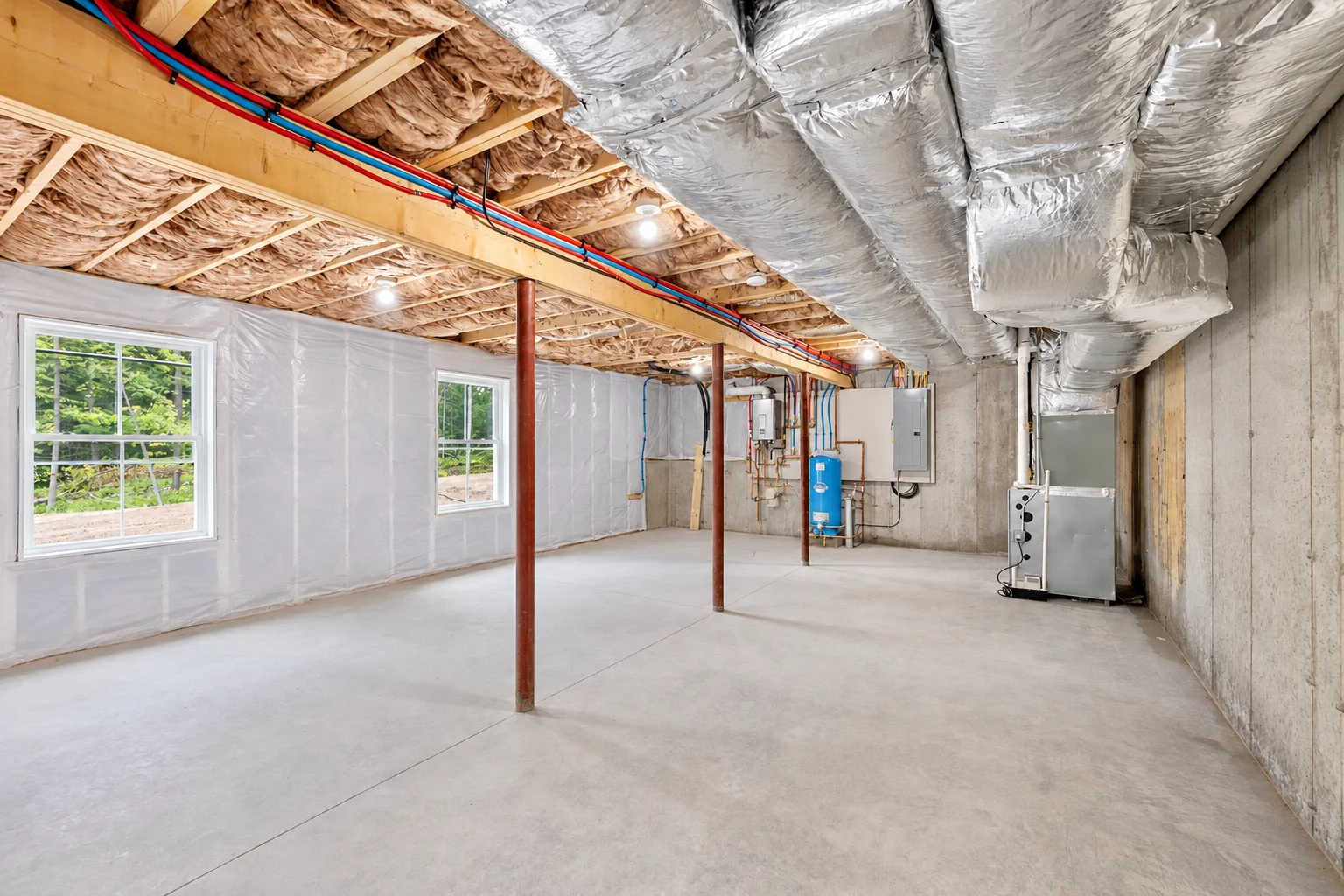
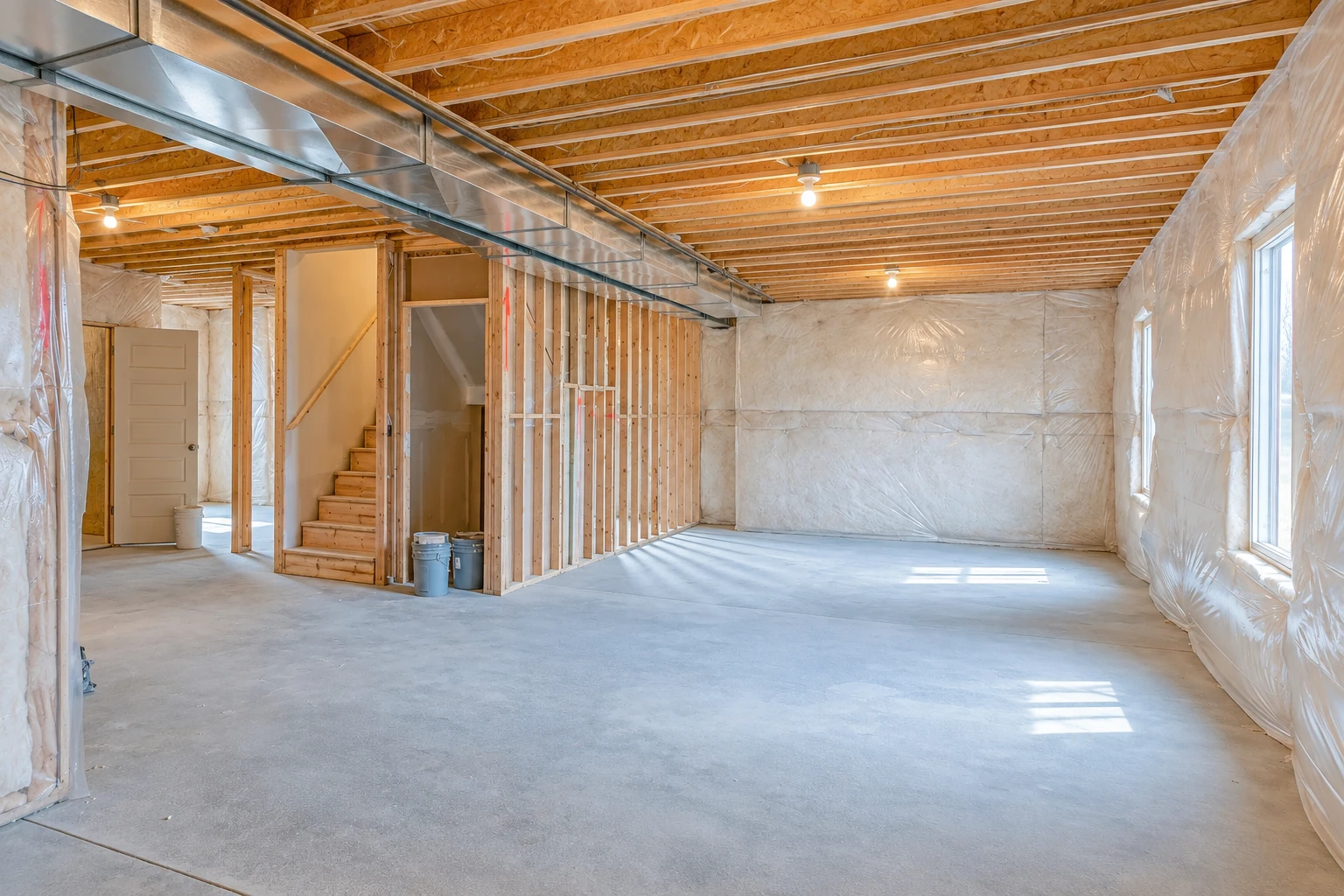
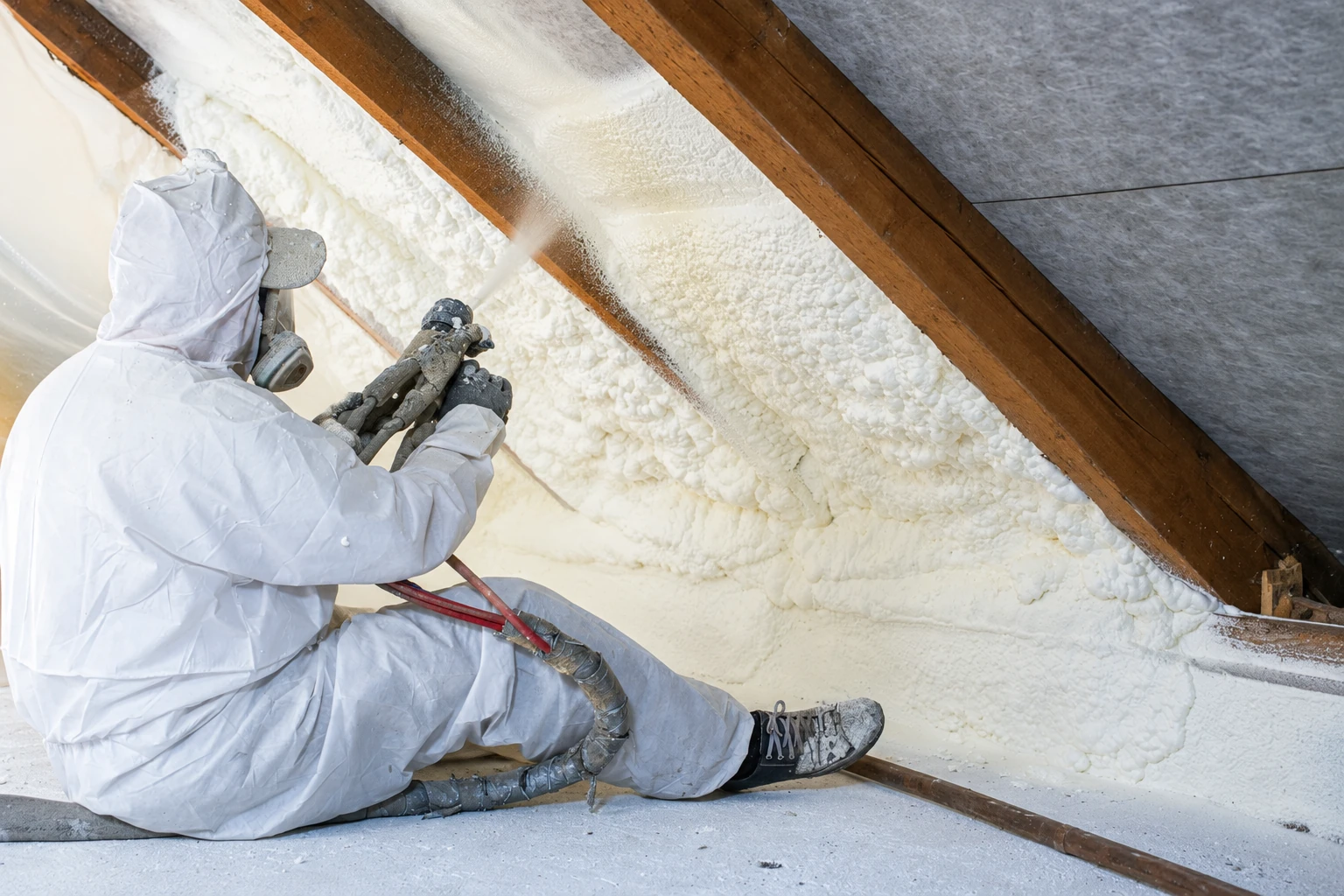
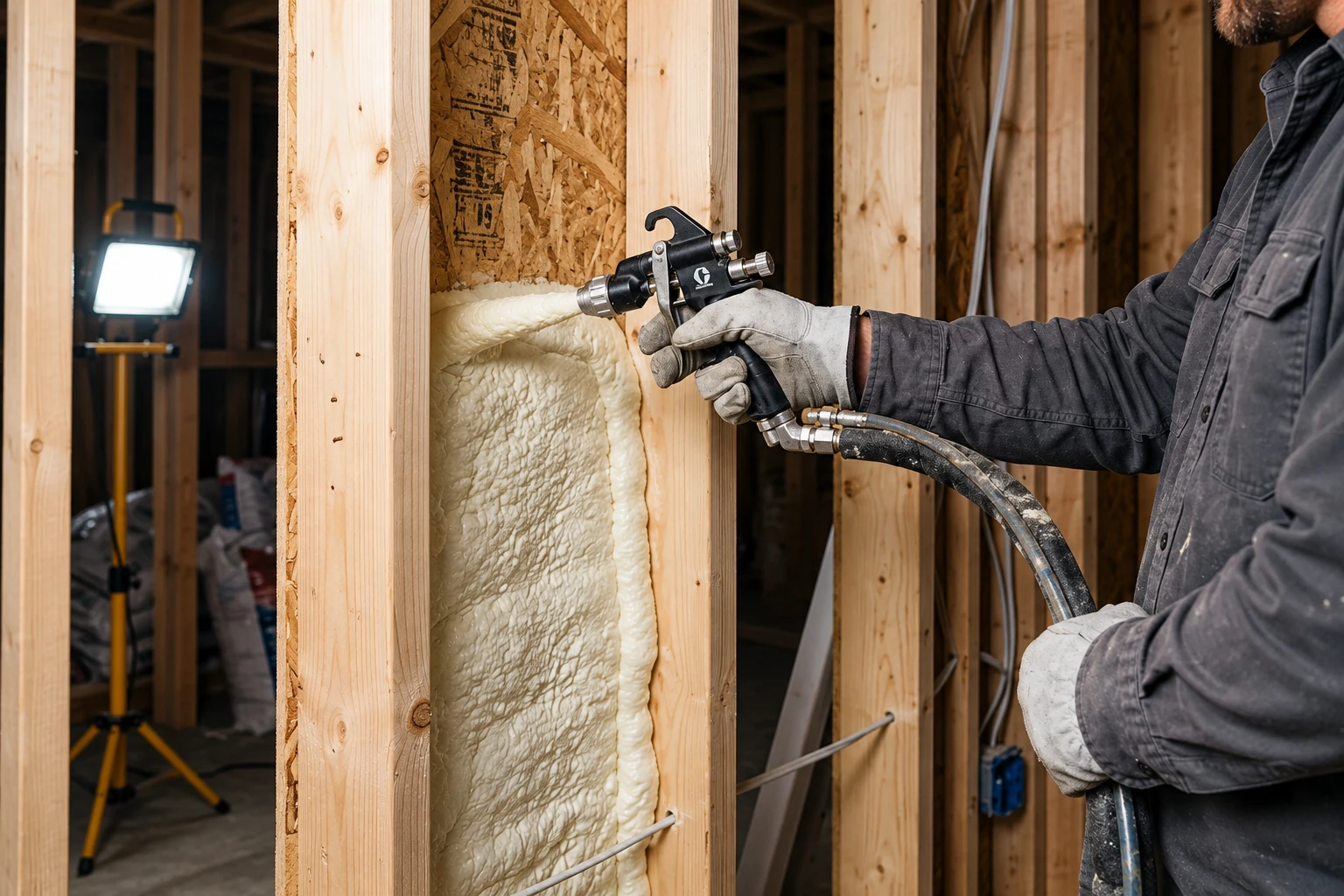
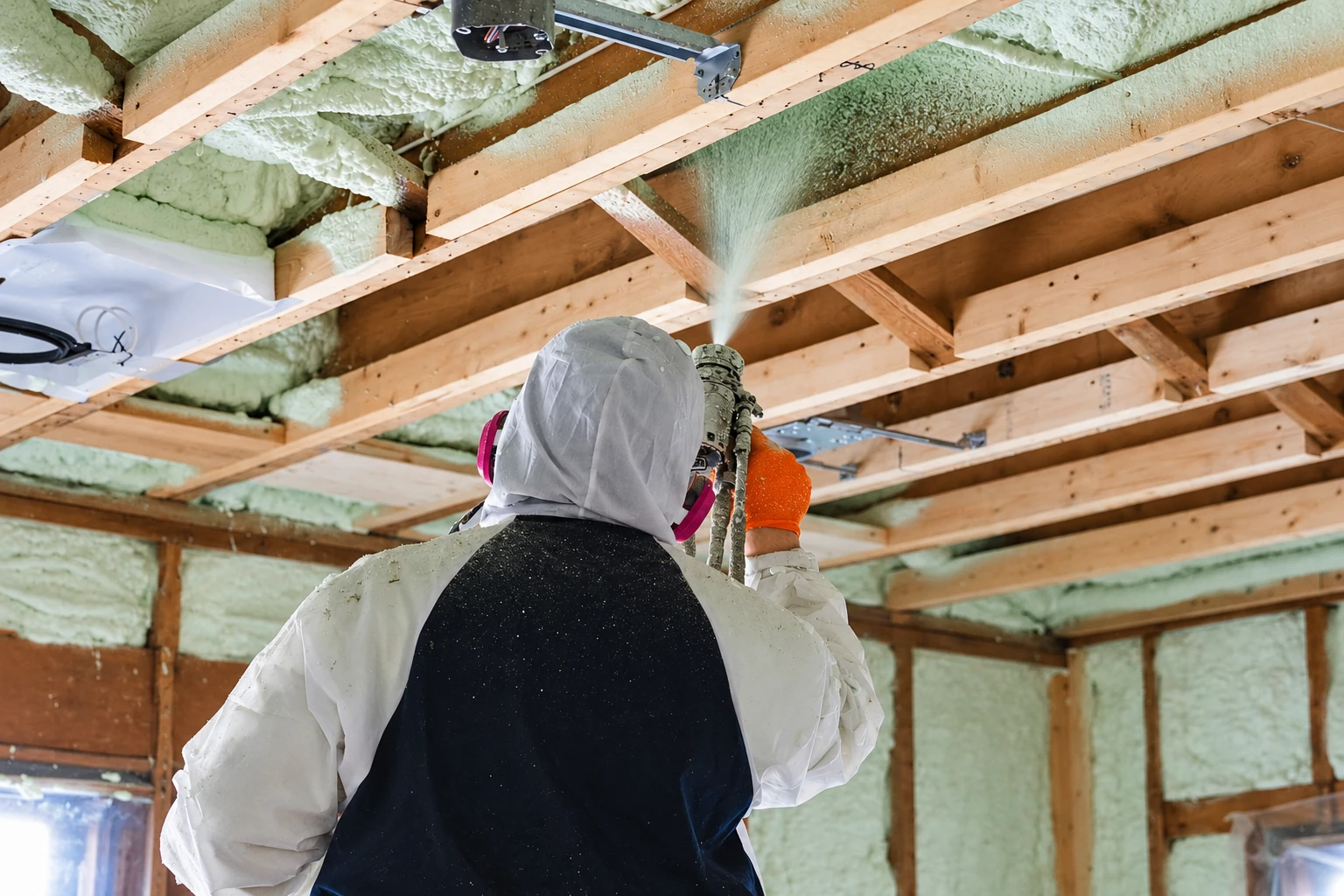
- Licensed and insured.
- Free on-site estimates.
- We reply within 1 business day.
What does it take to insulate a basement in Murrieta?
Basement insulation in Murrieta lines the inside of your foundation walls so the room holds its heat, with the gaps sealed first so warm room air can't reach the cold concrete and leave condensation behind.
Most people call because the basement feels cold, smells musty or has a wall that never quite dries out, and the fix usually starts with a dry wall and air sealing, closing the gaps where air leaks through, before any insulation goes up. What moves the price is how much wall there is, whether a water problem has to be fixed first, which material suits the wall and whether you want it framed and finished afterward. The schedule turns mostly on that repair, since nothing goes on the wall until it's dry, and the written estimate lays out what I found, what comes first and what I'd suggest.
How do you know your basement walls need attention?
Damp spots on the concrete
Dark patches or a chalky white crust on the wall usually mean water is getting through the foundation itself. Insulation over it just hides the water where it keeps working on the wall, and the longer it waits, the more there is to dry out and repair.
A musty, clammy room
A smell that hangs around, or a wall that feels wet to the touch, usually means room air is reaching the cold concrete and leaving condensation behind. Left alone, that moisture works its way into anything stored or built against the wall.
Drafts along the top
Cold air where the wall meets the wood above it usually comes from the rim joists, the band of framing that sits on top of the foundation. Every gap there keeps pulling outside air in, so the room never quite warms up and the power bill shows it.
How we handle basement insulation, in order
I start by looking hard at every wall, because any water coming through gets fixed before we insulate, and I'd rather hold off on the job than bury a wet wall. Once the wall is dry, we seal the gaps, and the rim joists go into the plan from the start instead of getting skipped. Then the insulation goes on the inside of the foundation walls, and we keep fiberglass batts and cellulose off the concrete, since anything that soaks up moisture shouldn't be sitting against it.
Most basement walls end up with foam against the concrete. Closed-cell foam insulation, the dense foam that blocks moisture as it insulates, is the one I reach for on a wall that's been damp before. Open-cell foam insulation is lighter and softer, and it fits spots that stay dry, where comfort or quiet matters more than moisture.
Closed-cell spray foam
This suits a wall that's had water on it, once the leak is fixed, because the foam goes on in one tight layer that seals the air and won't soak anything up. It costs more than board, and on a damp wall I think it's worth it.
Rigid foam board
This suits a dry, fairly flat wall when you'd like to keep the cost down. The boards have to bond to the wall all the way across with no air pockets behind them, so a rough or wavy wall usually points back to spray foam.
Get a written plan for your basement walls
Send us a few details and we'll reply within 1 business day to set up a free on-site estimate. There's no obligation, and the written estimate tells you what has to be fixed first and what I'd suggest after that.
(951) 319-3238Basement insulation in Murrieta: what changes the job here
California's Energy Code doesn't only cover new homes. It sets efficiency rules for alterations to existing houses too, so insulating the basement in a house that's already standing still falls under the state's rules, and I plan the material and coverage with that in mind.
Basements aren't the usual thing around Murrieta, so the ones I go down into tend to be a lower level or a single room set into a slope, with one wall against the hill and the others not. That's why I look at each wall on its own instead of treating the room as one job. We're based in Murrieta and work across the cities around it, and we see the same hillside lower levels on jobs in Temecula and Fallbrook.
What happens when you call about basement insulation in Murrieta?
Call or send a note
Call (951) 319-3238 or use the form, and we'll set up a time for me to come out. We're open seven days a week, so evenings and weekends work too.
I walk the basement with you
I come out myself, look at every wall and the rim joists, and walk you through what I found, what has to be fixed first and what I'd suggest. You get it as a written estimate, so you know what the work costs and why before you decide anything.
Our crew does the work
If you go ahead, I'm on the job with our crew, starting with whatever had to be fixed first. Before we spray, I'll tell you the re-entry time, how long before it's fine to come back down.
We check it before leaving
Before we pack up, we check the work against the plan in your estimate. Then you see it for yourself before we leave.
Frequently asked questions
How much does basement insulation cost in Murrieta?
Insulating a basement usually runs about $4.40 to $6.40 per square foot across the US, and that's a national figure for the work, not our price. Where your job lands depends on how much wall there is, whether the wall needs a repair first, which foam fits it and whether you want it framed and finished. Your own number comes from the written estimate after I've seen the basement.
Do I need to fix a damp basement wall before insulating?
Yes, water coming through the wall needs to be fixed first, and water running toward the foundation from outside should be steered away from it. Insulation over a wet wall only hides the problem, so I'll tell you plainly if a wall isn't ready yet.
What is the best insulation for basement walls that get moisture?
Closed-cell spray foam gives the best moisture control of anything used on the inside of foundation walls. Rigid board can work when it's bonded tight, as covered above, but on a wall with any history of water, spray foam is the one to weigh first.
Can someone without a contractor's license insulate my basement in California?
Only on a small job. California lets someone without a contractor's license do minor work up to a $1,000 limit, and only when the job doesn't need a permit and they have nobody working for them. Whoever bids your basement, ask to see their license before they start.
Do I need to check my furnace or water heater before insulating the basement?
Yes, any fuel-burning appliance in the basement should be checked to make sure it runs safely before the space is sealed and insulated, and again after. Sealing changes how much air the room gets, so mention the appliance when you call and plan for that check on both sides of the job.
What is the best way to finish basement walls after insulating?
Plan a cover over the foam, because one building-science guide says foam on basement walls usually needs a fire or ignition barrier, often drywall, and points you to the local building code. The same guide says a stud wall in front of the foam can hold more insulation as long as the foam layer runs unbroken behind it. For the finish, skip plastic sheeting, vinyl or foil wallpaper and epoxy, oil or alkyd paint, since those trap moisture on the inside of the wall.
Murrieta, CA
Book a look at your basement walls
Have the rough square footage and any water marks you've noticed handy when you call (951) 319-3238 or fill out the form, and that first conversation goes a lot further.